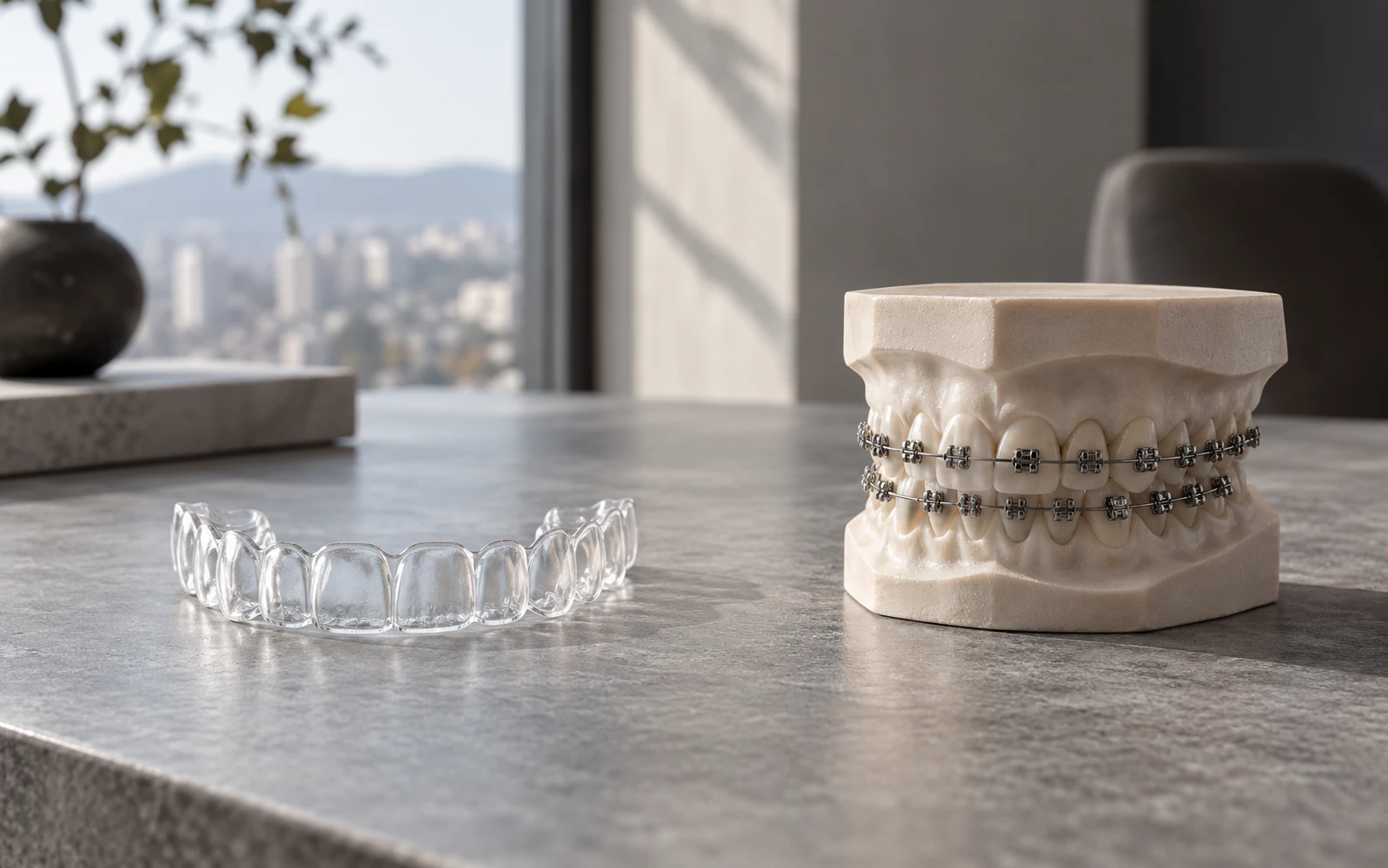


Blog ·Getting Started
How long does clear aligner treatment take?
Typical timelines for each NextGen Alygn plan, what decides yours and how to keep treatment on track.
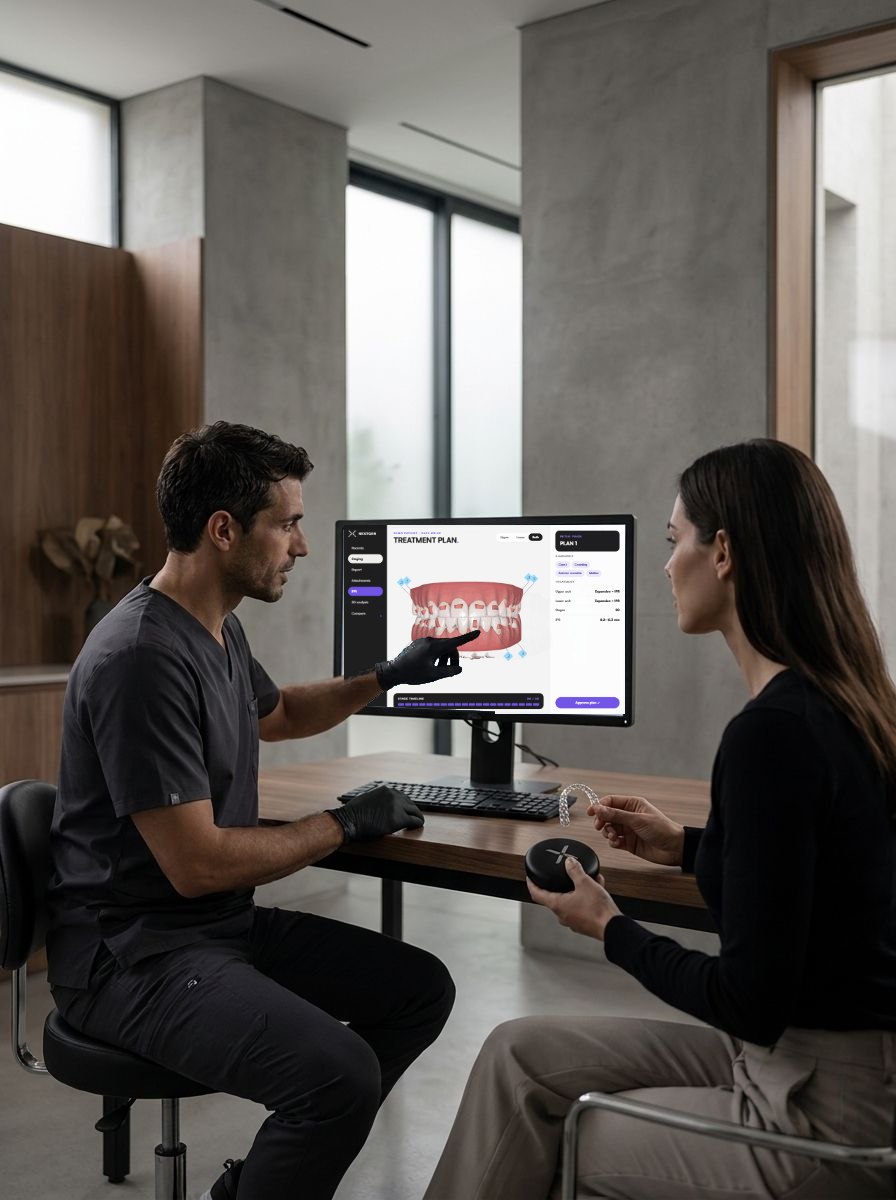
Treatment with NextGen Alygn clear aligners typically takes up to 6 months with NextGen Go, up to 8 months with Pro and up to 12 months with Max. Your partner dentist recommends the plan and confirms your timeline after your 3D plan, before treatment starts.
Timelines by plan
- NextGen GoUp to 6 months, for minor corrections.
- NextGen ProUp to 8 months, for moderate refinement.
- NextGen MaxUp to 12 months, for more complex alignment.
What decides your timeline
How far your teeth need to move, whether you treat one arch or both, and how consistently you wear your aligners. Some cases also need extra aligners at the end to fine-tune the result.
How to stay on schedule
- Wear them 20-22 hours a dayYour aligners only move your teeth while you wear them.
- Switch on timeMove to each new aligner when your plan says, not earlier or later.
- Keep your check-insTreatment typically needs 3 to 5 clinic visits when it is tracking well, and the NextGen 22 app helps in between.
After treatment
When the active phase ends, a retainer keeps your teeth in their new position. Teeth can drift back without one, which is why a retainer is included with every NextGen Alygn plan.
Questions people ask
How long does clear aligner treatment take?
With NextGen Alygn, up to 6 months on the Go plan, up to 8 on Pro and up to 12 on Max. Your dentist confirms your timeline after the 3D plan.
Can treatment take longer than planned?
Yes, if aligners are not worn enough or extra aligners are needed at the end. Wearing them 20-22 hours a day is the biggest factor you control.
When will I see a difference?
Your 3D plan shows each planned step before you start, and your dentist can tell you when changes are likely to become visible in your case.
How many clinic visits will I need?
Typically 3 to 5 visits when treatment is tracking well: assessment and scan, start, check-ins if needed and a final check.
Sources
This article is general information, not medical advice. Your partner dentist will talk you through your own options.